Netanyahu and Trump: A Strategic Reunion Ahead of Israeli Elections
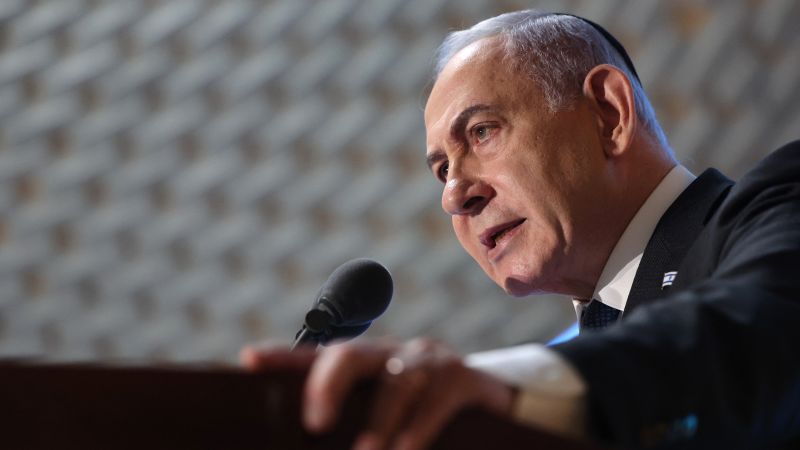
Israeli Premier Benjamin Netanyahu’s upcoming meeting with U.S. President Donald Trump at Mar-a-Lago signifies more than just a diplomatic engagement; it’s an early stage in Netanyahu’s campaign for reelection in 2026, where Trump is expected to play a pivotal role.
While Israel’s elections are set for October 2026, the timeline might shift due to pressing challenges faced by Netanyahu’s administration, including the issue of ultra-Orthodox conscription and an impending budget deadline in March 2026, either of which could prompt earlier elections.
Netanyahu, who has governed for a cumulative 18 years, has navigated significant turmoil. These include the 2023 judicial overhaul that led to widespread protests and the recent Hamas attack on October 7, 2023, which resulted in over 1,200 Israeli casualties and left the nation diplomatically isolated and socially fractured.
Despite the adversities, Netanyahu’s coalition has proved resilient, surviving longer than any other Israeli government in the last six years. This has allowed him to fortify Israel’s deterrence capabilities while evading thorough scrutiny over the decisions that led to the notable security breach on October 7.
Regular opinion polls indicate Netanyahu’s coalition is currently not reaching the required 61 seats for a majority in the Knesset, fluctuating between 49 and 54 seats. His reelection strategy hinges on crafting a narrative that distances him from the aftermath of the October 7 events, leveraging Trump’s influence to reshape public perception during the elections.
Political strategist Nadav Shtrauchler emphasizes that “the U.S. president is going to be central – if not the lead – in Netanyahu’s reelection strategy.” Historical parallels exist; during the tumultuous 2019-2020 election cycles, Netanyahu’s Likud party prominently featured Trump in campaign materials, with slogans like “Netanyahu, in a different league.” Trump has supported Netanyahu with significant gestures at critical campaign moments, such as recognizing Israeli sovereignty over the Golan Heights and advancing the Abraham Accords.
More recently, Trump has advocated for Netanyahu’s clemency efforts, even appealing directly to Israeli President Isaac Herzog to consider pardoning him, downplaying the corruption allegations as minor concerns. This collaboration peaked during a Knesset address, viewed as the unofficial launch of Netanyahu’s campaign, with Shtrauchler stating it was orchestrated by “the best campaigner in the world.”
Expecting a resurgence of Trump’s presence in his campaign, insiders reveal discussions about hosting Trump in Israel during the election period.
Netanyahu’s appeal is expected to focus on diplomatic endeavors, from expanding the Abraham Accords to fostering normalization with Saudi Arabia. These efforts align with Trump’s ambition for a Nobel Peace Prize, a goal actively supported by Israeli officials.
However, challenges loom large. The fragile nature of the Gaza ceasefire and slow progress in normalization talks with Arab nations, particularly Saudi Arabia, pose significant hurdles.
Israeli officials remain cautious about Iran’s continued nuclear and military activities. Although both leaders heralded the short conflict as a success, there’s skepticism around Trump’s willingness to authorize another substantial Israeli military operation amid lingering tensions from prior strikes.
Despite potential obstacles in achieving historic peace, the attention that Trump’s involvement garners is invaluable. Every engagement—tweets, public appearances, and statements—might overshadow Netanyahu’s critics and redirect public focus away from recent failures.
Even as strategic linkages are discussed, critics note Netanyahu’s handling of these complex issues requires careful navigation of domestic political landscapes to secure support for his ambition—possibly including military actions influencing Iran and Lebanon.
The alliance between Netanyahu and Trump appears to be robust, though historical patterns indicate that, while Trump may provide critical support, it alone may not ensure an electoral victory.